Couple Wedding Bride Drawing Clipart: Elegant Design Elements
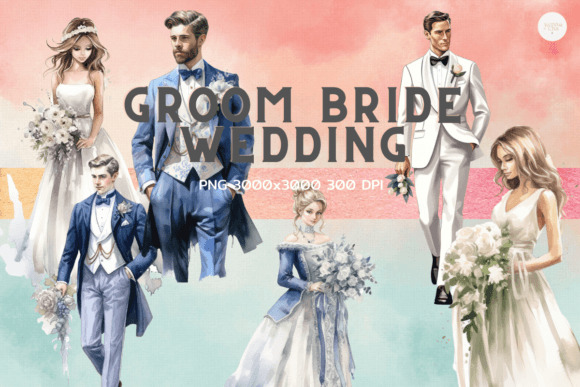
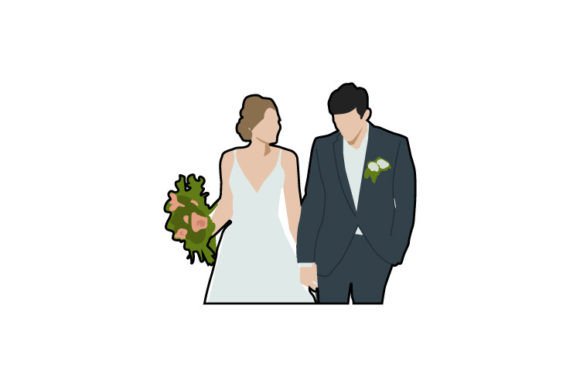
There's a particular charm in hand-drawn illustrations that digital precision often can't replicate. They carry warmth, personality, and a human touch that resonates emotionally—especially when celebrating love. Couple wedding bride drawing clipart captures that essence beautifully, offering designers and creators a versatile collection of romantic visuals that feel both timeless and personal. Whether you're crafting wedding invitations, building a brand around nuptial services, or designing social media content for a bridal boutique, these illustrations provide a foundation of elegance that connects with audiences on a deeper level.
Why Hand-Drawn Wedding Illustrations Stand Out
In a world saturated with glossy, overproduced graphics, hand-drawn clipart offers something refreshingly authentic. The slight imperfections in line work, the organic flow of curves, and the delicate detailing in bridal gowns or floral arrangements all contribute to a visual language that says "crafted with care." This aesthetic particularly appeals to couples planning weddings who want their stationery and décor to feel personal rather than mass-produced. For designers, this means you're working with assets that already carry emotional weight—your job becomes arranging and contextualizing rather than inventing from scratch.
The visual appeal of these illustrations lies in their versatility. A well-executed bride drawing can be elegant and formal for luxury wedding invitations, or it can be simplified and playful for casual celebration announcements. The couple illustrations range from classic romantic poses to modern, candid-style sketches, giving you options that match different client personalities and event styles. This adaptability makes the collection valuable across multiple project types without feeling repetitive.
Practical Applications Across Design Projects
Wedding-related businesses represent one of the most natural fits for this type of clipart. Stationery designers can incorporate these drawings into invitation suites, RSVP cards, save-the-date mailings, and envelope liners. The illustrations work beautifully as standalone focal points or as subtle decorative elements in borders and corners. For wedding planners and coordinators, using consistent illustration styles across proposals, mood boards, and day-of materials creates a cohesive brand experience that impresses clients and builds trust.
Beyond the wedding industry itself, these drawings find homes in unexpected places. Romance novel publishers might use them for book covers or chapter headings. Lifestyle bloggers covering relationships, dating, or anniversary celebrations can enhance their posts with relevant imagery that doesn't rely on stock photography. Gift shops and online retailers selling wedding-related merchandise—from tote bags to coffee mugs—can apply these illustrations to products that couples will treasure as keepsakes.
Consider how these elements elevate specific projects:
- Social media content: Instagram posts, Pinterest pins, and Facebook graphics gain personality when paired with charming illustrations rather than generic templates
- Website design: About pages, service descriptions, and portfolio showcases benefit from decorative touches that communicate your niche instantly
- Print materials: Brochures, business cards, and promotional flyers for wedding vendors become more memorable with hand-drawn accents
- Digital products: Printable wall art, wedding planning checklists, and digital planners can incorporate these illustrations as both functional and decorative elements
- Editorial layouts: Magazine features, blog headers, and newsletter designs gain visual interest through strategically placed clipart
Working With Multiple File Formats
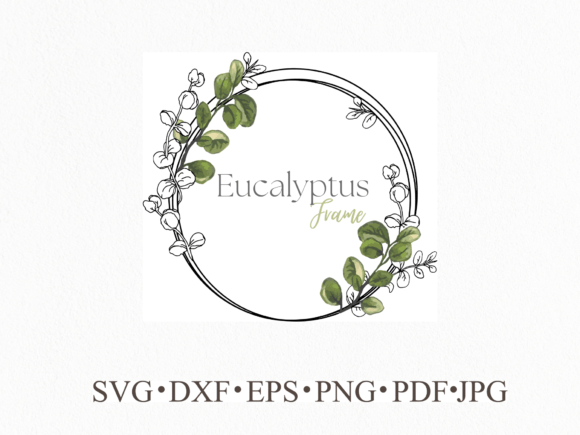
One significant advantage of a well-prepared clipart collection is the inclusion of multiple file formats. When you receive Ai, Eps, Png, Jpg, and Svg files, you're equipped to handle virtually any design scenario without conversion headaches or quality loss. Vector formats like Ai and Eps are invaluable for projects requiring scalability—you can enlarge a bride illustration to fill a poster or shrink it for a business card without losing crispness. This flexibility proves essential when clients request last-minute size changes or when you're adapting a single design across multiple touchpoints.
Png files with transparent backgrounds become your best friends for layering. Placing a couple illustration over photographs, colored backgrounds, or patterned textures becomes seamless when you don't have to manually remove backgrounds. Svg files work wonderfully for web applications, maintaining quality across different screen resolutions while keeping file sizes manageable. Jpg versions serve well for quick mockups, email attachments, or situations where file size matters more than transparency.
Understanding when to use each format saves time and prevents frustrating quality issues down the line. A general rule: go vector when you need flexibility, use Png when you need transparency, and reserve Jpg for final web outputs where backgrounds aren't a concern.
Building Visual Consistency Across Brand Touchpoints
For small business owners in the wedding space, establishing a recognizable visual identity often feels overwhelming. You know you need consistent branding, but commissioning custom illustrations for every project isn't always feasible financially. This is where a cohesive clipart collection becomes strategically valuable. When your website, social media profiles, printed materials, and client-facing documents all share the same illustration style, you create a visual thread that ties everything together.
This consistency does more than look polished—it builds recognition. When potential clients encounter your Instagram post, then visit your website, then receive your proposal packet, the repeating visual language creates familiarity. Familiarity breeds trust, and trust converts browsers into buyers. The hand-drawn aesthetic specifically communicates craftsmanship and attention to detail—qualities every wedding professional wants associated with their brand.
Think about how established brands use consistent illustration styles. Think of how certain wedding magazines have signature decorative elements you'd recognize anywhere. Your business can develop that same level of visual identity by thoughtfully and consistently applying these design assets across every client interaction.
Tips for Effective Implementation
Simply having beautiful clipart isn't enough—how you use it determines the impact. Start by considering the overall composition of your design. A detailed bride illustration might serve as a stunning centerpiece for an invitation, but placing it next to equally detailed decorative elements can create visual clutter. Balance is key. Let the illustrations breathe by surrounding them with adequate white space or simple typography.
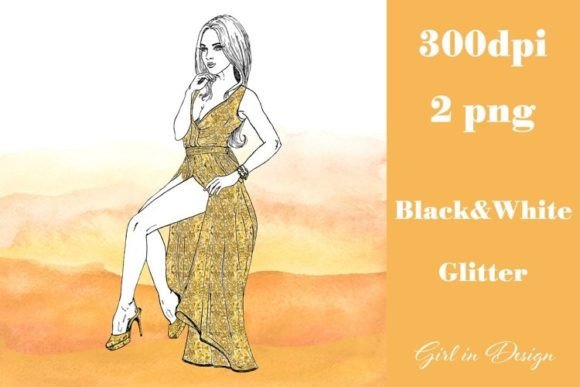
Color coordination matters significantly. Many hand-drawn wedding illustrations work beautifully in their original black or dark outline form, but don't hesitate to experiment with color overlays that match your project's palette. A blush pink bride illustration on a cream background feels distinctly different from the same drawing in navy on white. This color flexibility means one illustration can serve multiple brand aesthetics simply through color treatment.
Consider your audience's expectations and the project's formality level. A minimalist line drawing of a couple might suit a modern, urban wedding brand perfectly, while a more detailed, vintage-inspired illustration would better serve a classic or rustic aesthetic. Matching the illustration style to the overall design direction ensures everything feels intentional rather than haphazard.
Finally, remember that these illustrations are tools, not solutions. They work best when thoughtfully integrated into a larger design strategy that considers typography, layout, color theory, and audience psychology. Used well, couple wedding bride drawing clipart becomes more than decorative filler—it becomes a meaningful part of visual storytelling that resonates with the people you're trying to reach.