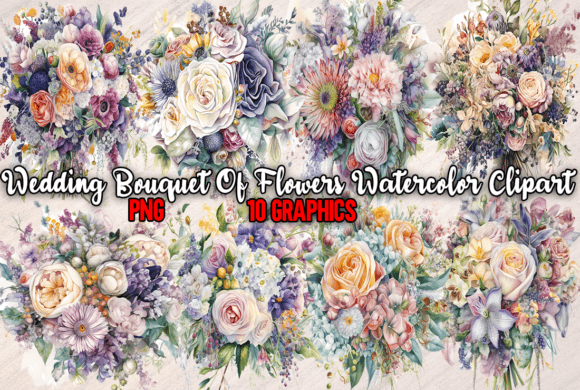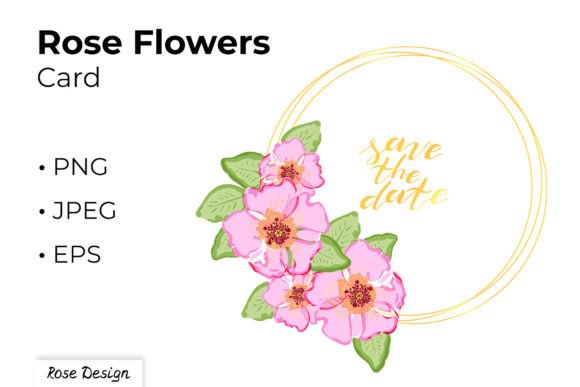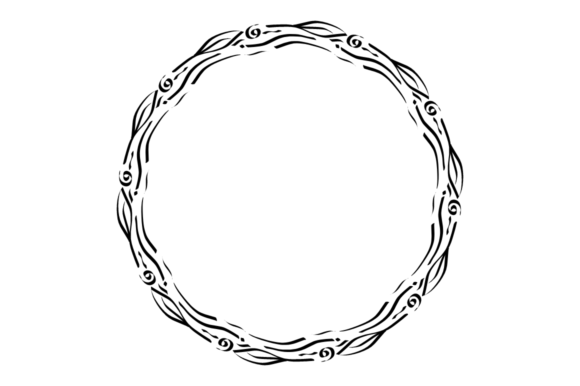
Flowers Wreath for Wedding: A Hand-Drawn Asset for Authentic Branding
In a world saturated with digital perfection, there is a growing hunger for the authentic, the imperfect, and the personal. We see it in the resurgence of film photography, the popularity of artisan goods, and the quiet rebellion against AI-generated slickness. For designers, entrepreneurs, and creators, this shift presents both a challenge and an opportunity. How do you capture that coveted hand-touched quality in a scalable, professional way? The answer often lies in the foundational assets you choose. A resource like a hand-drawn Flowers Wreath for Wedding illustration, available as versatile JPG and PNG files, is more than just a pretty picture. It is a bridge to authenticity, a tool that can infuse your projects with the warmth and personality that modern audiences crave.
Understanding the Appeal of a Hand-Drawn Aesthetic
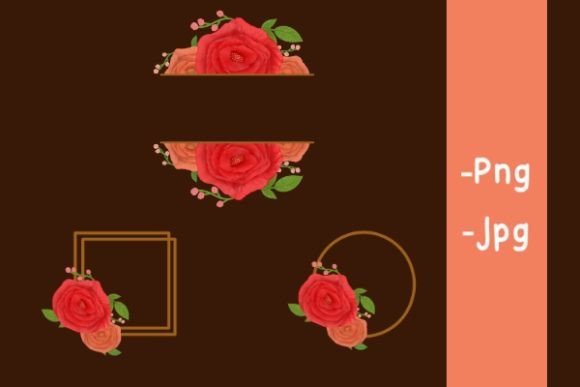
A digitally perfect vector circle is crisp and clean, but it often lacks a story. A hand-drawn wreath, with its slight variations in line weight, its organic curves, and its subtle imperfections, tells a story of human creation. This specific Flowers Wreath for Wedding asset, being hand-drawn, carries the energy of a skilled artist's pen. It feels personal, crafted, and intentional. This visual language is incredibly powerful for brands and projects aiming to communicate values like craftsmanship, care, nature, romance, or timeless elegance. It’s a premium font in visual form—not a typeface, but a design element that speaks with a similar level of distinct personality. For a small business owner selling handmade soaps, this wreath can frame a logo beautifully. For a content creator in the wellness space, it can add a serene, decorative touch to Instagram Stories. Its versatility is its core strength.
Practical Applications Across Your Creative Workflow
The true value of any design asset is measured by its utility. This hand-drawn wreath is a workhorse, adaptable to a stunning array of projects. Think of it as a flexible frame, a decorative element, or a standalone motif. Its uses span both digital and physical realms, making it an indispensable part of a designer's toolkit.
- Brand Identity & Logo Design: Use the wreath as a central, framing element for a brand identity. It can encircle a business name in a logo, creating an immediate association with elegance and nature. For a wedding planner, florist, or boutique hotel, this connection is invaluable. It helps build instant brand recognition.
- Packaging & Product Presentation: Elevate your packaging design from mundane to memorable. A PNG file with a transparent background allows you to place the wreath on product labels, gift boxes, or thank-you cards. It adds a perceived value and care that customers notice.
- Digital Presence & Social Media: Create cohesive and engaging social media graphics. The wreath can be used as a profile picture frame, a decorative element in quote graphics, or a consistent header for blog post promotions. On a website, it can beautifully separate sections, highlight testimonials, or frame a "Meet the Founder" photo, enhancing web design with organic charm.
- Print & Editorial Projects: For print materials like invitations, menus, or posters, the wreath provides a sophisticated, artisan touch. In editorial design for a magazine or lookbook, it can be used as a decorative drop cap or a section divider, adding visual interest without overwhelming the text.
- Merchandise & Marketing Assets: Apply the design to merchandise like tote bags, mugs, or stationery. As part of broader marketing assets, it can unify email headers, PDF guides, and webinar slides, ensuring every touchpoint feels professionally and thoughtfully designed.
Integrating the Wreath for Maximum Visual Impact
Simply having a beautiful asset isn't enough; integration is key. The goal is to enhance your project, not clutter it. Start by considering the mood. This particular wreath, with its floral wedding theme, evokes romance, celebration, and natural beauty. Ensure this aligns with your project's goals. A tech startup's annual report might not be the best fit, but a floral shop's branding absolutely is.
Next, think about font pairing. The wreath will interact with your typography. A delicate, romantic script font inside the wreath can create a cohesive, elegant look. Alternatively, pairing it with a clean, modern sans serif font creates a beautiful contrast between the organic illustration and the structured type, making both elements pop. Always test your font pairings with the wreath to ensure readability. The text inside the wreath needs to be clear, so avoid overly ornate or thin fonts at small sizes.
Consider scale and placement. Will the wreath be the focal point of a logo, or a subtle background texture on a website? Using the JPG file (which will have a background) might work for a full-bleed design, while the PNG file (with its transparent background) is essential for layering over colors, photos, or other patterns. Play with opacity. A light, faded version of the wreath can make a stunning, subtle background for a blog post or a social media graphic, adding depth without distracting from the main message.
Choosing Assets with Purpose and Professionalism
When selecting any creative resource, from a display font to a hand-drawn illustration, a professional mindset is crucial. First, review the files included. Having both JPG and PNG formats provides essential flexibility for different applications. The PNG's transparency is particularly critical for clean, professional layering in logo design and packaging.
Second, and most importantly, understand the licensing. For any project that will be used commercially—whether it's for a client, for sale, or for promoting a business—you must have commercial licensing. This protects you legally and ensures you're respecting the creator's work. A reputable source for such assets will be clear about the terms. This due diligence is part of building a sustainable and ethical creative practice.
Ultimately, resources like the Flowers Wreath for Wedding are more than decorative elements. They are storytelling tools. They allow a graphic designer to deliver more nuanced work, a creative entrepreneur to build a more authentic brand, and a hobbyist to elevate their personal projects with professional flair. By choosing assets that align with your vision and using them thoughtfully, you create work that doesn't just look good—it feels genuine, resonant, and memorable. In the crowded visual landscape, that authenticity is your greatest advantage.