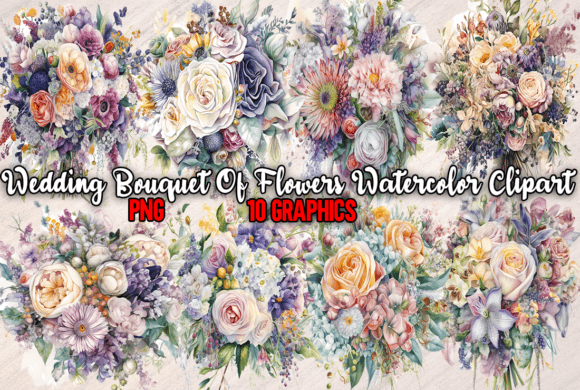
Timeless Rose Bouquet: Vintage Wedding Decoration
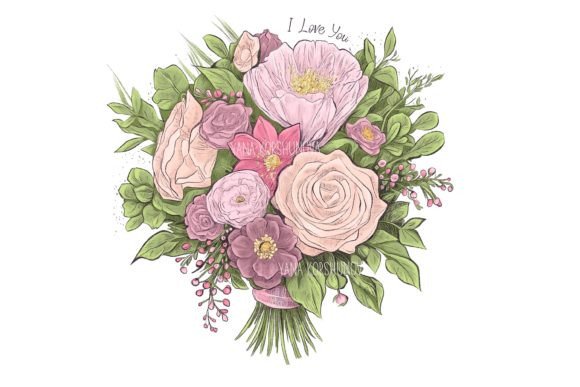
There’s something undeniably magnetic about a design that feels both classic and fresh. For designers and creators, finding an element that bridges nostalgia and modern appeal is like striking gold. A beautifully crafted rose bouquet, rendered in a vintage wedding decoration style, does exactly that. It’s not just a floral element; it’s a narrative tool, a visual shorthand for elegance, romance, and timeless sophistication. Whether you’re building a brand, designing an invitation, or crafting social media content, this versatile asset can become the cornerstone of your visual storytelling.
Why This Vintage Floral Element Resonates
At its core, the appeal of a vintage-style rose bouquet lies in its rich visual texture and emotional weight. Unlike a simple, flat illustration, this style often features delicate line work, subtle shading, and a sense of depth that mimics botanical prints from a bygone era. It feels handcrafted and authentic, qualities that stand out in a sea of generic digital graphics. This aesthetic taps into a desire for warmth, craftsmanship, and personal touch—values that resonate deeply across generations. For a small business owner or a content creator, using such an element instantly communicates a commitment to quality and a keen eye for detail, helping to build a more authentic and relatable brand identity.
The isolation on a white background, available in formats like EPS, JPG, SVG, and transparent PNG, is a practical game-changer. It means this intricate design asset is ready to drop into any project without the hassle of tedious background removal. This flexibility is crucial for maintaining visual consistency across multiple platforms, from a website header to a printed brochure or a merchandise design.
Practical Applications for Modern Creators
Think of this vintage rose bouquet not as a static image, but as a dynamic design building block. Its applications are vast, limited only by your creative vision.
- Brand Identity & Logo Design: For businesses in the wedding industry, floristry, boutique retail, or artisanal goods, incorporating this element into a logo or brand mark can establish an immediate sense of elegance and tradition. It works beautifully as a secondary graphic, a pattern element, or a standalone icon.
- Packaging & Product Design: Imagine this bouquet adorning the label of a candle, the box for a luxury soap, or the sleeve of a gourmet food item. It elevates the unboxing experience, making the product feel more premium and gift-worthy.
- Digital & Print Collateral: The asset is perfect for creating cohesive marketing assets. Use it as a background element for social media graphics, a decorative border on a website, or a focal point in an email newsletter. For print, it shines on wedding invitations, thank-you cards, event posters, and editorial layouts in magazines or lookbooks.
- Content & Merchandise: Bloggers and digital creators can use it to illustrate articles on style, home decor, or wellness. It’s also ideal for creating print-on-demand merchandise like tote bags, mugs, or art prints where a touch of vintage charm is desired.
Integrating the Asset with Typography
A stunning graphic can be undermined by poor font pairing. The key is to choose typography that complements the vintage, feminine, and detailed nature of the rose bouquet without competing with it. This is where understanding font personality is critical.
Consider pairing the bouquet with a premium serif font for body text. A serif typeface with moderate contrast and elegant details, like a transitional or old-style serif, will echo the classic feel while ensuring excellent readability for longer passages. For headlines, a script font or a handwritten font can amplify the romantic, personal vibe, but use it sparingly and ensure it remains legible. A clean sans serif font can provide a modern counterbalance, creating a sophisticated tension between old and new that feels very contemporary.
Always test your font pairings. Place the vintage rose bouquet graphic next to your chosen headline and body text. Does the visual hierarchy feel natural? Is the text easy to read against the complexity of the floral design? Sometimes, a slight drop shadow or a solid color block behind the text is necessary to maintain clarity and professional presentation.
Making Strategic Design Choices
Before you dive in, take a moment to align the asset with your project’s goals. The vintage wedding decoration style carries specific connotations—it’s romantic, nostalgic, and often feminine. While it’s incredibly versatile, it’s not a one-size-fits-all solution.
Ask yourself: Does this aesthetic match my brand identity and my target audience? For a tech startup, it might feel out of place. But for a bakery, a bridal boutique, a lifestyle blogger, or a stationery company, it could be the perfect fit. Think about the visual consistency you need to maintain. Will this element work across all your planned design assets, from your logo design to your web design and packaging design?
Also, consider the technical aspects. Having the file in multiple formats (EPS for scalability, PNG for transparency, JPG for quick use) allows you to adapt it for any medium. If you plan to use the design on merchandise or products for sale, double-check the licensing. A commercial font or asset license is essential for protecting your business and ensuring you have the rights for your intended use.
Beyond the Wedding: Unconventional Uses
While its name suggests nuptials, don’t limit your thinking. The core elements—elegant roses, a vintage treatment—are powerful storytelling devices in any context.
Use the bouquet to soften the look of a financial advisor’s website, suggesting trust and personal care. Incorporate it into the editorial design of a literary journal to add a layer of classic refinement. A tech company could use a stylized version in its social media graphics for a Mother’s Day campaign, bridging the gap between modern service and traditional sentiment. The isolated floral element can be rotated, mirrored, cropped, or used as a repeating pattern to create entirely new compositions, making it a creative font—or rather, a creative asset—with endless potential.
Ultimately, a well-chosen design element like this vintage rose bouquet does more than just decorate. It communicates values, sets a mood, and helps forge a stronger connection with your audience. It’s a practical tool for enhancing audience engagement and elevating your projects from ordinary to memorable. By thoughtfully integrating it into your work, you’re not just adding a pretty picture; you’re investing in a richer, more cohesive visual language.